In recent years, wearable technology has made a significant impact on the healthcare industry, revolutionizing the way healthcare is delivered. From monitoring vital signs to tracking fitness levels, wearable devices have opened up new possibilities for remote patient care and management.
This guide delves into the importance, applications, challenges, and future trends of wearable tech in healthcare.
Importance of Wearable Tech in Healthcare
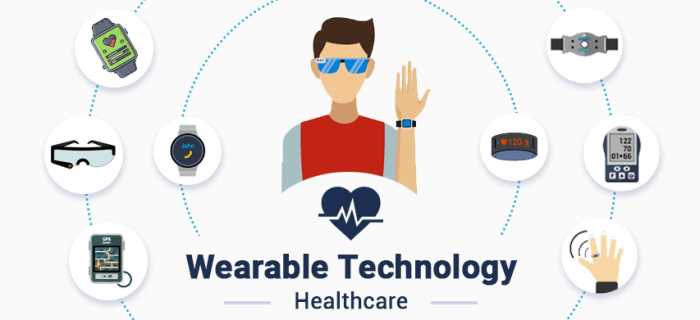
Wearable technology has significantly revolutionized healthcare delivery by providing real-time data monitoring and personalized care to patients. These devices are designed to track various health metrics continuously, offering valuable insights for both patients and healthcare providers.
Examples of Wearable Devices Used in Healthcare
- Fitbit: Tracks activity levels, heart rate, and sleep patterns.
- Apple Watch: Monitors heart rate, ECG, and blood oxygen levels.
- Continuous glucose monitors: Helps diabetics monitor blood sugar levels.
Benefits of Using Wearable Tech in Monitoring and Managing Health
- Early Detection: Wearable devices can detect health issues early on, allowing for timely intervention.
- Personalized Insights: Provide personalized data to help individuals make informed decisions about their health and wellness.
- Remote Monitoring: Enables healthcare providers to remotely monitor patients' health and adjust treatment plans accordingly.
- Improved Patient Engagement: Encourages patients to take an active role in their health by providing them with real-time feedback and actionable insights.
Applications of Wearable Tech in Healthcare
Wearable devices have revolutionized healthcare delivery by providing innovative solutions for various medical needs. One of the key applications of wearable tech in healthcare is remote patient monitoring, which allows healthcare providers to track patients' vital signs and health data in real-time, even from a distance.
Remote Patient Monitoring
Remote patient monitoring using wearable devices enables healthcare professionals to continuously monitor patients' health metrics, such as heart rate, blood pressure, blood sugar levels, and more. This technology allows for early detection of any abnormalities or changes in the patient's health status, enabling timely intervention and personalized care.
For example, patients with chronic conditions like diabetes or hypertension can benefit from wearable devices that track their health parameters and send alerts to healthcare providers in case of any deviations from normal values.
Effectiveness in Preventive Care
Wearable tech plays a crucial role in preventive care by empowering individuals to take control of their health and well-being. Compared to traditional methods, such as annual check-ups or sporadic visits to healthcare facilities, wearable devices provide continuous monitoring and real-time feedback on various health metrics.
This proactive approach allows for early identification of potential health risks and enables individuals to make informed decisions about their lifestyle choices. For instance, wearable fitness trackers can help users track their physical activity, sleep patterns, and nutrition, leading to better health outcomes through preventive measures.
Improving Patient Outcomes
The integration of wearable tech in healthcare has shown significant improvements in patient outcomes across various medical conditions. For example, wearable devices have been used to monitor patients recovering from surgeries or managing chronic diseases, resulting in reduced hospital readmissions, better medication adherence, and overall improved quality of life.
Additionally, wearable tech has been instrumental in enhancing patient engagement and satisfaction by providing them with real-time feedback and personalized health insights, leading to better treatment compliance and health outcomes.
Challenges and Limitations of Wearable Tech in Healthcare
Wearable technology has brought significant advancements to healthcare delivery, but it also presents challenges and limitations that need to be addressed for widespread adoption and effectiveness.
Integration Challenges for Healthcare Providers
Healthcare providers face several challenges when integrating wearable tech into their practices. One major concern is the interoperability of wearable devices with existing healthcare systems. Ensuring seamless data exchange and integration with Electronic Health Records (EHR) can be complex and time-consuming.
Additionally, healthcare professionals need training to interpret and utilize the data collected by wearables effectively.
Privacy and Security Concerns
Privacy and security are major concerns when it comes to wearable devices in healthcare
Limitations of Current Wearable Technology
Despite the potential benefits, current wearable technology has limitations that impact its ability to deliver healthcare services effectively. One limitation is the accuracy and reliability of data captured by wearables. Issues such as sensor accuracy, data validation, and calibration can affect the quality of information collected.
Moreover, battery life and connectivity issues can hinder continuous monitoring and real-time data transmission, limiting the utility of wearables in healthcare settings.
Future Trends in Wearable Tech for Healthcare
Wearable technology in healthcare is poised to see significant advancements in the near future, with innovations that could potentially transform the way healthcare is delivered. One of the key areas driving this evolution is the integration of artificial intelligence (AI) and machine learning into wearable devices.
Potential Impact of AI and Machine Learning
AI and machine learning algorithms have the potential to enhance the capabilities of wearable devices by enabling them to analyze vast amounts of data in real-time. This can lead to more accurate monitoring of health metrics, early detection of abnormalities, and personalized treatment recommendations based on individual data patterns.
For example, AI-powered wearables can help predict and prevent medical emergencies by continuously monitoring vital signs and alerting users and healthcare providers of any concerning changes.
Upcoming Innovations in Wearable Tech
Smart Clothing
The development of smart textiles embedded with sensors to monitor various health parameters like heart rate, temperature, and hydration levels.
Advanced Biometric Sensors
Wearables with more sophisticated biometric sensors capable of tracking a wider range of health metrics with higher accuracy.
Non-Invasive Glucose Monitoring
Innovations in wearable devices for continuous, non-invasive glucose monitoring for diabetics, eliminating the need for frequent finger pricks.
Remote Patient Monitoring
Wearable devices that enable remote monitoring of patients recovering from surgeries or managing chronic conditions, allowing healthcare providers to intervene early if necessary.
Integration with Telemedicine
Wearables that seamlessly integrate with telemedicine platforms, enabling virtual consultations and remote diagnosis based on real-time data collected by the device.These upcoming innovations in wearable technology have the potential to revolutionize healthcare delivery by providing more personalized, proactive, and accessible care to individuals.
As AI and machine learning continue to advance, we can expect wearable devices to become even more intelligent, predictive, and indispensable tools in the healthcare industry.
Closing Summary
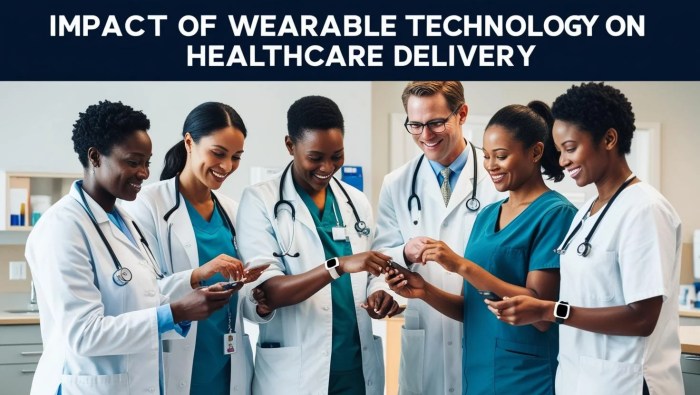
As we conclude our exploration of how wearable tech is reshaping healthcare delivery, it becomes evident that the integration of these devices holds immense potential for improving patient outcomes and streamlining healthcare services. With advancements in technology and ongoing innovations, the future of healthcare delivery looks promising and transformative.
FAQ Overview
How secure is the data collected by wearable devices in healthcare?
The data collected by wearable devices is encrypted and stored securely to ensure patient privacy and confidentiality.
Can wearable tech replace traditional healthcare methods entirely?
While wearable tech offers innovative solutions, it is not meant to replace traditional healthcare methods but to complement and enhance them.
Are there any regulatory challenges associated with wearable tech in healthcare?
Yes, navigating regulatory requirements and compliance standards can be a significant challenge for healthcare providers adopting wearable technology.