Delving into The Role of AI in Modern Health Information Systems opens up a world where cutting-edge technology meets the critical needs of the healthcare industry. From enhancing patient care to revolutionizing diagnostics, AI is reshaping the way we approach healthcare.
As we delve deeper, we uncover the intricate ways in which AI is transforming the landscape of health information systems, paving the path for a future where innovation and efficiency go hand in hand.
Overview of AI in Modern Health Information Systems
Artificial Intelligence (AI) plays a crucial role in modern health information systems by utilizing advanced algorithms and machine learning techniques to analyze complex medical data and improve healthcare processes. AI has the potential to revolutionize the way healthcare is delivered, making it more efficient, accurate, and personalized.
Importance of AI in Optimizing Healthcare Processes
AI technology enables healthcare providers to streamline administrative tasks, enhance clinical decision-making, and improve patient outcomes. By automating repetitive tasks such as data entry, scheduling, and billing, AI allows healthcare professionals to focus more on patient care. Additionally, AI-powered tools can analyze large datasets to identify patterns, predict outcomes, and suggest personalized treatment plans, leading to more effective and efficient healthcare delivery.
Examples of AI Applications in Modern Healthcare
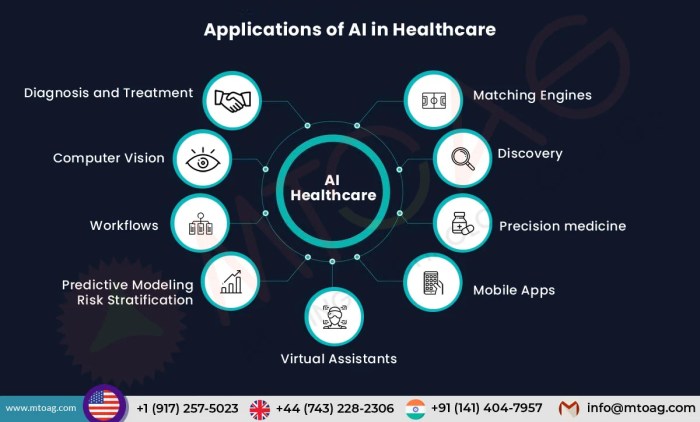
- Diagnostic Imaging: AI algorithms can analyze medical images such as X-rays, MRIs, and CT scans to detect abnormalities, assist in diagnosis, and improve the accuracy of medical imaging interpretation.
- Personalized Medicine: AI can analyze genetic data, patient history, and treatment outcomes to develop personalized treatment plans tailored to individual patients, optimizing drug selection and dosage.
- Virtual Health Assistants: AI-powered chatbots and virtual assistants can provide patients with immediate medical advice, schedule appointments, and offer medication reminders, enhancing patient engagement and access to healthcare services.
- Predictive Analytics: AI models can predict potential health risks, hospital readmissions, and disease progression based on patient data, enabling early intervention and preventive care strategies.
Benefits of AI in Health Information Systems
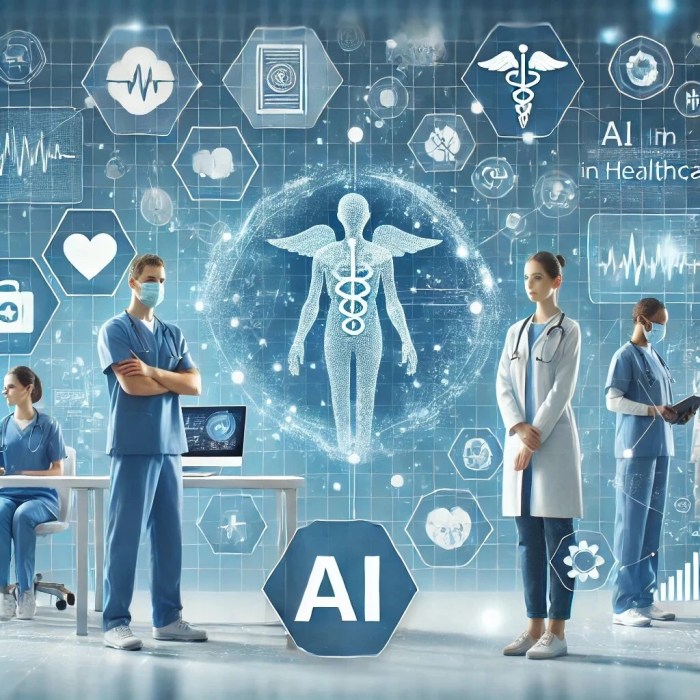
AI technology has revolutionized the healthcare industry by significantly improving decision-making processes, enhancing patient care and outcomes, and contributing to more accurate diagnoses and treatment plans.
Improved Decision-Making in Healthcare
AI algorithms can analyze vast amounts of data quickly and efficiently, providing healthcare professionals with valuable insights to make informed decisions. By processing data from electronic health records, medical imaging, and other sources, AI helps clinicians identify patterns and trends that may not be apparent to the human eye.
This leads to more personalized and effective treatment plans for patients.
Enhanced Patient Care and Outcomes
Through predictive analytics and machine learning, AI can predict potential health issues, identify high-risk patients, and recommend preventive measures. This proactive approach to healthcare not only improves patient outcomes but also helps healthcare providers deliver more timely and targeted care.
Additionally, AI-powered chatbots and virtual assistants can offer round-the-clock support to patients, answering questions and providing guidance on managing their health.
Accurate Diagnoses and Treatment Plans
AI tools such as natural language processing and image recognition have significantly improved the accuracy of diagnoses in healthcare. By analyzing patient data, symptoms, and medical images, AI systems can assist physicians in making more precise diagnoses and developing optimal treatment plans.
This not only reduces the risk of misdiagnosis but also ensures that patients receive the most appropriate care for their condition.
Challenges and Limitations of AI in Health Information Systems

AI has revolutionized the healthcare industry by improving patient care, diagnosis, and treatment. However, along with its benefits, AI in health information systems also poses several challenges and limitations that need to be addressed.
Ethical Considerations Related to AI in Healthcare
Ethical considerations are crucial when implementing AI in healthcare. It is important to ensure that AI algorithms are used ethically and in the best interest of patients. Issues such as patient consent, transparency in decision-making processes, and the potential for AI to replace human judgment need to be carefully considered to maintain trust in the healthcare system.
Potential Biases in AI Algorithms and Their Impact
AI algorithms are only as good as the data they are trained on. Biases in data can lead to biased outcomes, impacting patient care and treatment decisions. It is essential to regularly audit AI algorithms to identify and eliminate biases to ensure fair and equitable healthcare delivery.
Concerns About Data Privacy and Security in AI Applications
Data privacy and security are paramount in healthcare, especially when using AI applications. The sensitive nature of health data requires strict protocols to safeguard patient information from unauthorized access or breaches. Implementing robust data protection measures and ensuring compliance with regulations like HIPAA are essential to maintain patient trust and confidentiality.
Future Trends and Innovations in AI for Health Information Systems
Artificial Intelligence (AI) continues to revolutionize the healthcare industry, paving the way for future trends and innovations in Health Information Systems. Let's explore some of the emerging technologies shaping the future of healthcare and how AI is playing a pivotal role in transforming the way we approach disease prevention, personalized medicine, and patient engagement.
AI in Predictive Analytics for Disease Prevention
Predictive analytics powered by AI is a game-changer in healthcare, allowing practitioners to forecast potential health issues and intervene proactively. By analyzing vast amounts of patient data, AI algorithms can identify patterns and trends that may indicate the onset of diseases.
This enables healthcare providers to take preemptive measures, ultimately leading to better outcomes and reduced healthcare costs.
AI Transforming Personalized Medicine and Patient Engagement
AI is revolutionizing personalized medicine by tailoring treatment plans to individual patients based on their unique genetic makeup, lifestyle factors, and medical history. Machine learning algorithms can analyze this data to recommend personalized treatment options that are more effective and have fewer side effects.
Additionally, AI-powered chatbots and virtual assistants are enhancing patient engagement by providing round-the-clock support, answering queries, and offering personalized health advice.
Final Conclusion
In conclusion, The Role of AI in Modern Health Information Systems is not just a glimpse into the present but a preview of the future of healthcare. With AI at the helm, we are witnessing a paradigm shift towards personalized, efficient, and effective healthcare solutions.
FAQ Explained
How can AI improve decision-making in healthcare?
AI can analyze vast amounts of data quickly and accurately, providing healthcare professionals with valuable insights to make informed decisions.
What are some ethical considerations related to AI in healthcare?
Ethical concerns include issues around patient privacy, data security, and the potential for bias in AI algorithms affecting patient outcomes.
How is AI contributing to more accurate diagnoses and treatment plans?
AI algorithms can process complex medical data to identify patterns and trends that might not be immediately apparent to human practitioners, leading to more precise diagnoses and tailored treatment plans.