In today's rapidly evolving healthcare landscape, the utilization of smart technology to enhance remote patient monitoring has emerged as a game-changer. From wearable devices to advanced data analytics, the possibilities are endless. Let's delve into how this technology is reshaping the future of healthcare.
As we explore the transformative impact of smart technology on remote patient monitoring, a clear picture emerges of the potential benefits and challenges that come with this innovative approach.
Benefits of Smart Technology in Remote Patient Monitoring
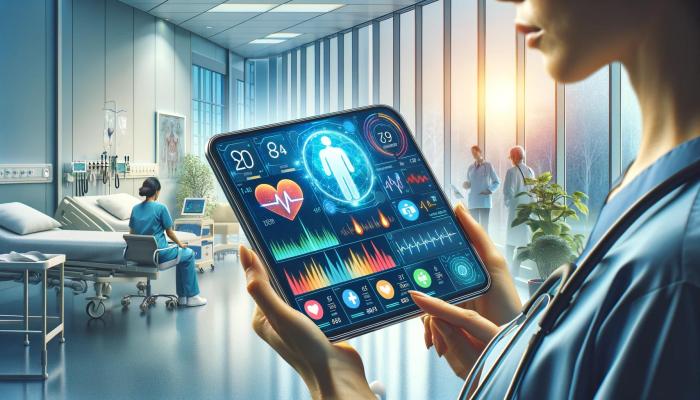
Smart technology plays a crucial role in enhancing remote patient monitoring by providing healthcare professionals with real-time data and insights to improve patient care. Let's explore some of the key benefits of using smart technology in remote patient monitoring:
Enhanced Monitoring Capabilities
Smart devices such as wearable sensors, smartwatches, and mobile health apps enable continuous monitoring of vital signs, medication adherence, and overall patient health status. These devices can alert healthcare providers to any concerning changes in a patient's condition, allowing for timely interventions and improved outcomes.
Improved Patient Outcomes
By utilizing smart technology for remote patient monitoring, healthcare providers can offer personalized care plans based on individual patient data. This tailored approach can lead to better treatment adherence, faster recovery times, and overall improved patient outcomes.
Efficiency in Healthcare Delivery
Smart technology streamlines the process of remote patient monitoring by automating data collection, analysis, and communication between patients and healthcare providers. This efficiency not only saves time but also reduces the burden on healthcare facilities, allowing for better allocation of resources and improved overall healthcare delivery.
Enhanced Data Collection and Analysis
Smart devices collect a wealth of data on patient health metrics, which can be analyzed to identify trends, predict health complications, and optimize treatment plans. By harnessing the power of data analytics, healthcare providers can make more informed decisions and provide proactive care to patients, ultimately leading to better health outcomes.
Types of Smart Technology Used for Remote Patient Monitoring
Remote patient monitoring utilizes various types of smart technology to track and manage patients' health remotely. These technologies play a crucial role in improving patient outcomes and enhancing the efficiency of healthcare delivery.
Wearable Devices vs. Stationary Monitoring Systems
Wearable devices, such as smartwatches and fitness trackers, are commonly used in remote patient monitoring to continuously collect data on vital signs, activity levels, and other health metrics. These devices are convenient for patients as they can wear them throughout the day, allowing for real-time monitoring and immediate alerts in case of any abnormalities.
On the other hand, stationary monitoring systems, like blood pressure monitors and glucose meters, are used for more specific measurements and are typically located in the patient's home. While wearable devices provide continuous monitoring, stationary systems offer more precise data for certain health parameters.
Role of Telemedicine Platforms
Telemedicine platforms are essential in remote patient monitoring as they enable healthcare providers to interact with patients virtually, review their health data, and make informed decisions regarding their care. These platforms facilitate remote consultations, video calls, and secure messaging, allowing for seamless communication between patients and healthcare professionals.
By integrating telemedicine platforms with smart devices, patients can receive timely feedback and guidance without the need for in-person visits, improving access to care and reducing healthcare costs.
Contribution of IoT Devices
IoT devices, which are interconnected smart devices that communicate with each other over the internet, play a significant role in remote patient monitoring. These devices collect and transmit data from various sensors, such as heart rate monitors, blood glucose meters, and scales, to a central monitoring system.
By leveraging IoT technology, healthcare providers can access real-time patient data, track health trends, and intervene proactively in case of any health issues. IoT devices enable continuous monitoring and personalized care, enhancing the overall quality of remote patient monitoring services.
Challenges and Considerations in Implementing Smart Technology for Remote Patient Monitoring

Implementing smart technology for remote patient monitoring comes with its own set of challenges and considerations that need to be addressed to ensure successful integration and use within healthcare systems.
Privacy and Security Concerns
- One of the major challenges is the protection of patient data and maintaining their privacy. With the use of smart devices, there is a risk of data breaches and unauthorized access to sensitive information.
- Healthcare providers need to implement robust security measures, encryption protocols, and strict access controls to safeguard patient data from cyber threats and breaches.
- Compliance with regulations such as HIPAA is crucial to ensure that patient information is handled securely and in accordance with legal requirements.
Interoperability Issues
- Integrating various smart devices and healthcare systems can be complex due to interoperability issues. Different devices may not communicate effectively with each other, leading to data silos and fragmented information.
- Healthcare organizations need to invest in interoperable technologies and standards to ensure seamless data exchange and integration between devices and systems.
- Standardization of protocols and data formats is essential to enable interoperability and facilitate data sharing across different platforms.
Training and Education for Healthcare Professionals
- Healthcare professionals need adequate training and education to effectively use smart technology for remote patient monitoring. They must be proficient in operating the devices, interpreting data, and making informed decisions based on the information received.
- Ongoing training programs and workshops should be provided to healthcare staff to keep them updated on the latest advancements in smart technology and best practices for remote patient monitoring.
- By investing in training and education, healthcare organizations can ensure that their staff are equipped with the necessary skills and knowledge to leverage smart technology for improved patient outcomes.
Barriers to Adoption
- Cost can be a significant barrier to the adoption of smart technology in remote patient monitoring. Healthcare organizations may face financial constraints in procuring and implementing these advanced devices and systems.
- Resistance to change and lack of buy-in from healthcare providers can also hinder the adoption of smart technology. It is essential to address concerns, provide support, and demonstrate the benefits of using smart technology for patient care.
- Lack of infrastructure, limited internet connectivity, and disparities in access to technology can pose challenges in implementing remote patient monitoring solutions in certain regions or populations.
Future Trends in Smart Technology for Remote Patient Monitoring
The future of remote patient monitoring is poised for significant advancements with the integration of smart technologies. Let's explore some of the key trends shaping the landscape of remote patient monitoring.
Advancements in AI and Machine Learning
AI and machine learning are set to revolutionize remote patient monitoring by enabling predictive analytics and personalized healthcare interventions. These technologies can analyze vast amounts of patient data in real-time, allowing healthcare providers to detect anomalies, predict potential health issues, and tailor treatment plans accordingly.
Integration of Virtual Reality or Augmented Reality
The potential integration of virtual reality (VR) or augmented reality (AR) in remote patient monitoring holds promise for enhancing patient engagement and improving clinical outcomes. VR and AR technologies can create immersive healthcare experiences, enabling patients to better understand their conditions and follow treatment protocols more effectively.
Role of 5G Technology
G technology is set to play a crucial role in enhancing connectivity for remote patient monitoring devices. The high-speed, low-latency capabilities of 5G networks will enable seamless data transmission between healthcare providers and patients, ensuring real-time monitoring and timely interventions.
Emerging Technologies
Various emerging technologies, such as Internet of Things (IoT) devices, wearable sensors, and remote monitoring apps, are poised to revolutionize remote patient monitoring in the future. These technologies will enable continuous monitoring of vital signs, early detection of health issues, and improved patient outcomes through proactive healthcare interventions.
Last Word
In conclusion, the integration of smart technology into remote patient monitoring represents a paradigm shift in healthcare delivery. With improved data analysis, enhanced connectivity, and innovative solutions on the horizon, the future looks promising for both patients and healthcare providers alike.
FAQ Section
What are some privacy concerns related to using smart technology in remote patient monitoring?
Privacy concerns include the protection of sensitive patient data stored or transmitted by smart devices, ensuring compliance with regulations like HIPAA, and safeguarding against potential breaches.
How do wearable devices differ from stationary monitoring systems in remote patient monitoring?
Wearable devices offer continuous monitoring and portability, allowing patients to go about their daily activities while being monitored. In contrast, stationary systems are typically used in controlled environments like hospitals or clinics.
What role does IoT play in remote patient monitoring with smart technology?
IoT devices enable seamless connectivity between various monitoring tools, allowing for real-time data transmission and analysis. This interconnected network enhances the efficiency and accuracy of remote patient monitoring.
What advancements in AI and machine learning are expected to impact remote patient monitoring?
AI and machine learning algorithms can analyze vast amounts of patient data to identify trends, predict health outcomes, and personalize treatment plans. These advancements have the potential to revolutionize the way healthcare is delivered remotely.
How does 5G technology contribute to enhancing connectivity for remote patient monitoring devices?
5G technology offers faster data transmission speeds and lower latency, enabling real-time communication between devices and healthcare providers. This high-speed connectivity is crucial for ensuring timely and accurate remote patient monitoring.