Delve into the world of Health IT Trends to Watch: Privacy, AI, and Compliance as we explore the evolving landscape that impacts healthcare organizations. Brace yourself for a journey filled with insights and revelations that will shape the future of healthcare.
In the next section, we will provide detailed information about the latest developments and challenges in Health IT.
Overview of Health IT Trends
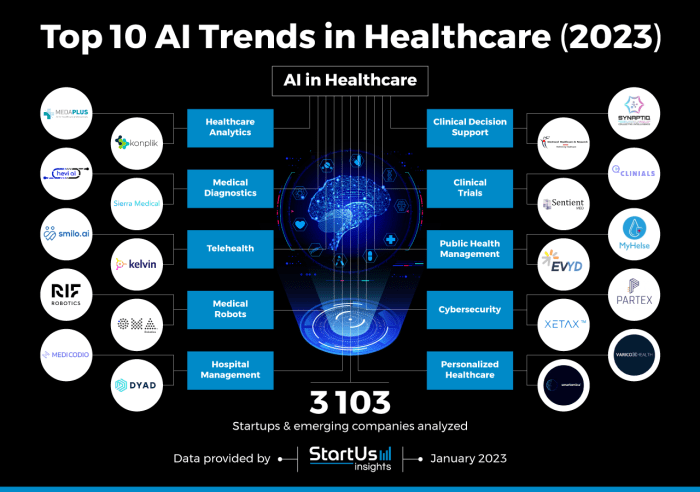
Health IT trends encompass advancements and changes in technology that impact the healthcare industry, with a focus on areas such as privacy, artificial intelligence (AI), and compliance. These trends are crucial for healthcare organizations to monitor and adapt to, as they have a direct impact on patient care, operational efficiency, and regulatory requirements.
Recent Developments in Health IT
- Increased focus on data privacy and security measures to protect patient information from cyber threats and breaches.
- Rapid integration of AI and machine learning algorithms in healthcare systems to improve diagnostics, treatment plans, and operational processes.
- Stricter regulatory compliance requirements, such as the implementation of electronic health records (EHR) systems and adherence to data protection laws like GDPR and HIPAA.
Privacy Concerns in Health IT
Privacy is a critical aspect of healthcare data management, ensuring that sensitive patient information is protected from unauthorized access or disclosure.
The Importance of Privacy in Healthcare Data Management
Healthcare providers must safeguard patient data to maintain trust and confidentiality. Breaches in privacy can lead to legal consequences, damaged reputations, and compromised patient care.
Common Privacy Challenges Faced by Healthcare Providers
- Lack of encryption: Failure to encrypt data can result in data breaches and unauthorized access to patient information.
- Insufficient access controls: Inadequate access controls can lead to unauthorized personnel viewing or modifying patient records.
- Third-party risks: Sharing patient data with third-party vendors can introduce additional privacy risks if proper safeguards are not in place.
Strategies to Ensure Patient Data Privacy in Health IT Systems
- Implement robust encryption protocols to protect data both at rest and in transit.
- Enforce strict access controls to limit data access to authorized personnel only.
- Regularly audit systems and conduct security assessments to identify and address potential vulnerabilities.
- Provide ongoing staff training on privacy best practices to ensure compliance with regulations and standards.
Role of AI in Health IT
AI plays a significant role in transforming healthcare operations and improving patient care. By utilizing advanced algorithms and machine learning techniques, AI has the potential to revolutionize the way medical professionals diagnose, treat, and manage patient data.
AI Applications in Health IT
- Medical Imaging Analysis: AI algorithms can analyze medical images such as X-rays, MRIs, and CT scans to detect abnormalities or assist radiologists in making more accurate diagnoses.
- Predictive Analytics: AI can analyze large datasets to predict potential health outcomes, identify high-risk patients, and suggest personalized treatment plans.
- Virtual Health Assistants: AI-powered chatbots and virtual assistants can provide patients with instant medical advice, appointment scheduling, and medication reminders.
- Drug Discovery and Development: AI algorithms can accelerate the drug discovery process by analyzing biological data, predicting drug interactions, and identifying potential targets for new medications.
Benefits and Limitations of AI Integration in Healthcare Systems
- Benefits:
- Improved Diagnosis Accuracy: AI can assist healthcare providers in making more accurate and timely diagnoses, leading to better patient outcomes.
- Enhanced Operational Efficiency: AI can automate repetitive tasks, streamline workflows, and reduce administrative burden on healthcare staff.
- Personalized Medicine: AI can analyze individual patient data to tailor treatment plans, medications, and interventions for better outcomes.
- Limitations:
- Data Privacy Concerns: AI systems require access to sensitive patient data, raising concerns about data security and privacy protection.
- Lack of Transparency: AI algorithms can be complex and difficult to interpret, leading to challenges in understanding how decisions are made.
- Integration Challenges: Implementing AI systems into existing healthcare infrastructure can be costly and time-consuming, requiring staff training and system updates.
Compliance Regulations in Health IT
In the realm of Health IT, compliance regulations play a crucial role in ensuring the privacy and security of patient data. Healthcare organizations must adhere to a set of standards to protect sensitive information and maintain ethical practices.
Key Compliance Regulations
- The Health Insurance Portability and Accountability Act (HIPAA): HIPAA sets the standard for protecting sensitive patient data. It requires the implementation of safeguards to ensure the confidentiality, integrity, and availability of electronic protected health information (ePHI).
- The Health Information Technology for Economic and Clinical Health (HITECH) Act: HITECH promotes the adoption and meaningful use of health information technology. It also strengthens HIPAA by expanding its scope to business associates of covered entities.
- The General Data Protection Regulation (GDPR): Although GDPR is a European regulation, it impacts healthcare organizations worldwide if they handle data of European citizens. It focuses on the protection of personal data and the rights of individuals.
Implications of Non-Compliance
Non-compliance with regulations in the healthcare sector can have severe repercussions. Healthcare organizations that fail to meet compliance standards may face hefty fines, legal penalties, reputational damage, and loss of trust from patients. Moreover, data breaches resulting from non-compliance can lead to significant financial losses and harm the overall quality of patient care.
Final Thoughts
As we conclude our discussion on Health IT Trends to Watch: Privacy, AI, and Compliance, remember that staying informed and proactive in these areas is vital for the success and security of healthcare practices. Embrace the changes and advancements to ensure a better future for healthcare.
Questions and Answers
What are some key compliance regulations in Health IT?
Healthcare organizations must adhere to regulations like HIPAA, GDPR, and HITECH Act to ensure data security and privacy.
How does AI impact patient care in Health IT?
AI applications in Health IT can enhance diagnostics, personalize treatment plans, and improve operational efficiency for better patient outcomes.
What strategies can be employed to ensure patient data privacy in Health IT systems?
Encrypting data, implementing access controls, conducting regular audits, and staff training are crucial steps to safeguard patient information.